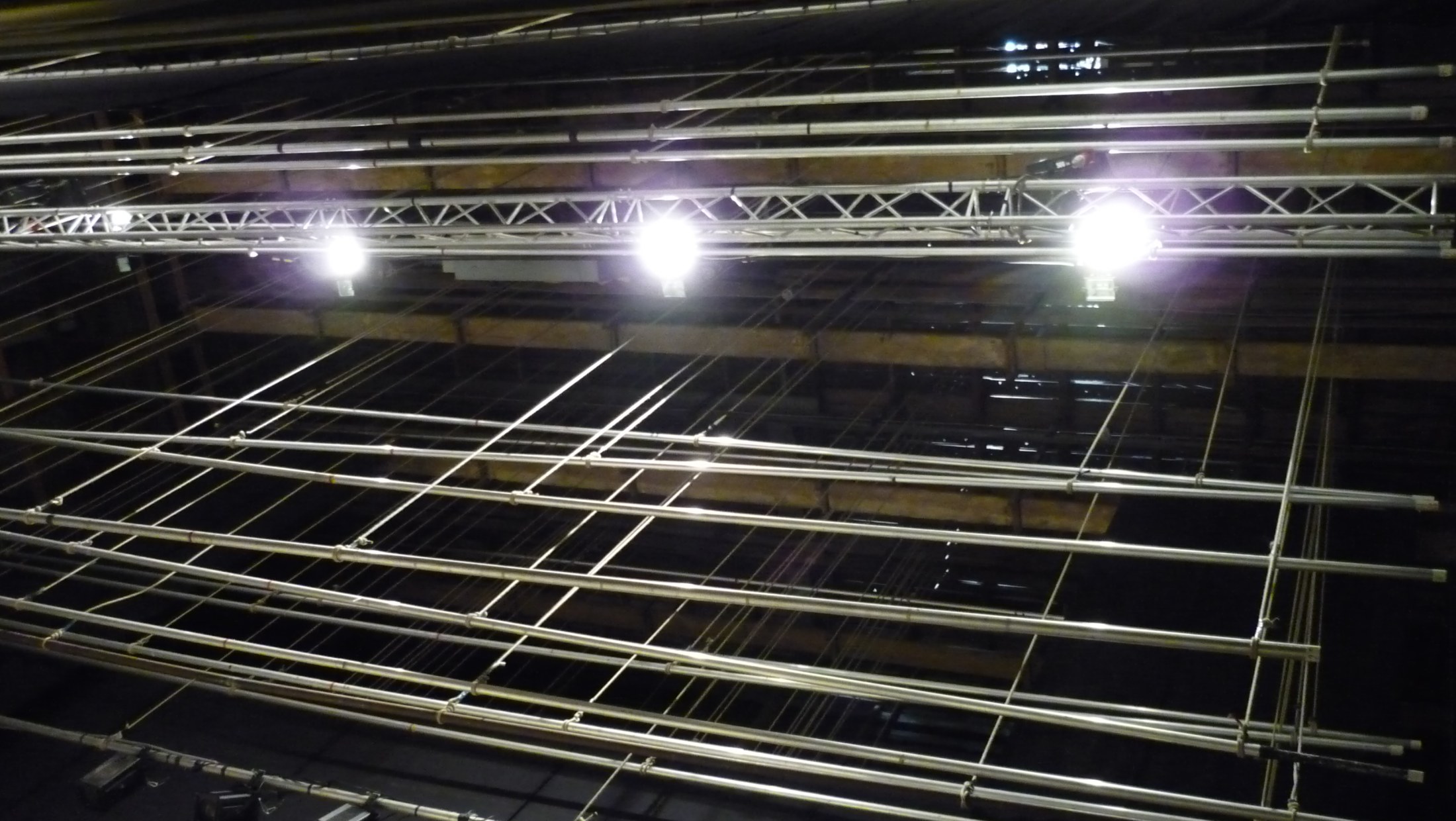
Fourteen years of
deciding what is lit
Theatre, opera, dance and one or two things that resist the category. Each entry lists the house, the rig and the palette it was built on, because those are the facts a producer actually needs.
The Winter’s Tale
Theatre · Northern Stage, NewcastleSixteen years pass in one cue. The first half is lit almost entirely from behind and above; the second admits front light for the first time.
Orfeo
Opera · Opera North, Leeds GrandA staging that puts the underworld above rather than below, so every descent in the text is a physical ascent into the flies.
Everything That Rises
Dance · Rambert, touringSide light only, for fifty minutes. No front, no down, no cyc. Six booms and a great deal of argument.

Blackout Sonata
Concert · Britten Sinfonia, Milton CourtA single amber special and eleven minutes of near-total darkness. The hardest thing we have been asked to light.
The Weir
Theatre · Almeida Theatre, LondonA pub in the west of Ireland, lit as though the only sources were the ones on stage. Practical-led, and almost nothing above.
Salt
Installation · Commissioned, touring warehousesNine hours, no performers, no cues. A room that changes so slowly nobody sees it happen.
Selected from 214 productions since 2011. Full list on request.
A plot is a hypothesis
about a room
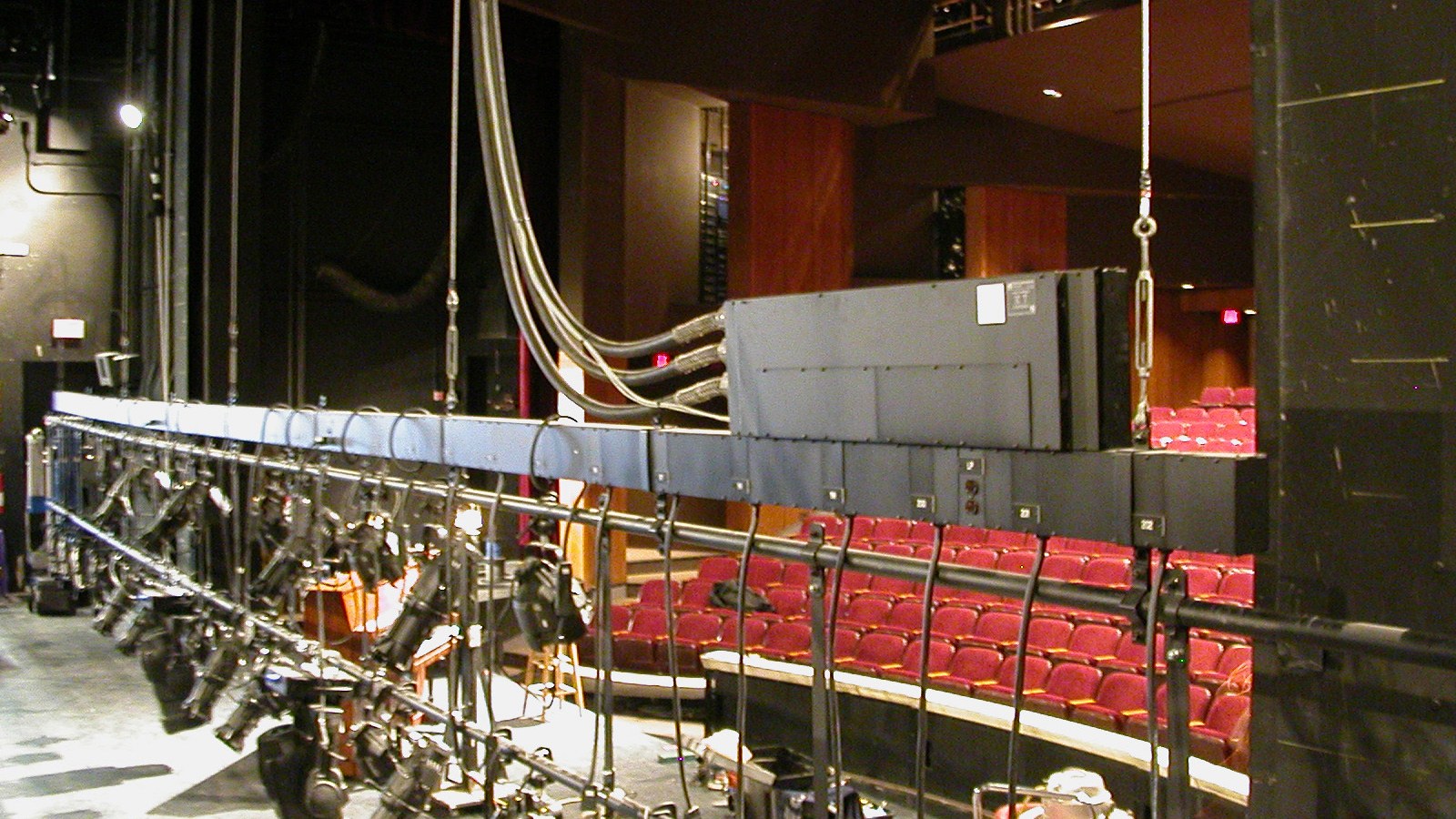
Before a single lantern is hung, the plot is a set of guesses: that this angle will hold a face at that mark, that this wash will not spill onto the cyclorama, that the boom can be got to during the interval. Half of them are wrong, and the useful half of a designer’s craft is knowing which half to check first.
We do our own drafting and our own focus. Not out of preciousness — it is simply that the person who guessed should be the one standing under it when the guess is tested.
The cue is the unit,
not the picture
A lighting state that looks beautiful as a photograph is worth very little. What matters is the move: how it arrives, over how long, and whether the audience notices it happening. A four-second fade and a fourteen-second fade between the same two states are entirely different pieces of writing.
We build cues in the room with the director, at the pace of the scene. Never from a plan in an office, and never faster than the actors can be watched.